

Our organization has direct horrible human experiences exchange and witnessing with this group.........
Their posture and pace reflect desperation rather than choice, a journey driven by the absence of basic necessities such as clean water, education, electricity, and livelihoods and sometimes because the soil under their feet is full of minerals: and their is fighting in their villages and homes, and their life also is sometimes at risks..
But many dream, as portrayed as hovering above them a dreamlike picture of developing countries which, sharply contrasts their harsh realities. Inside it are gleaming modern cities, towering skyscrapers, airplanes, stacks of money, and luxury cars—images of the “paradise” many displaced people imagine when they think of developed countries. This vision represents hope, opportunity, and relief from suffering, and reality, highlighting how migration is often fueled not by excess ambition, but by unmet basic needs at home.
It is survival that pushes them out of their homes and countries. It is a visual reminder that when communities lack the fundamentals of life, migration becomes an act of hope—an attempt to reach a life away from poverty.

FROM POVERTY TO SUSTAINABILITY
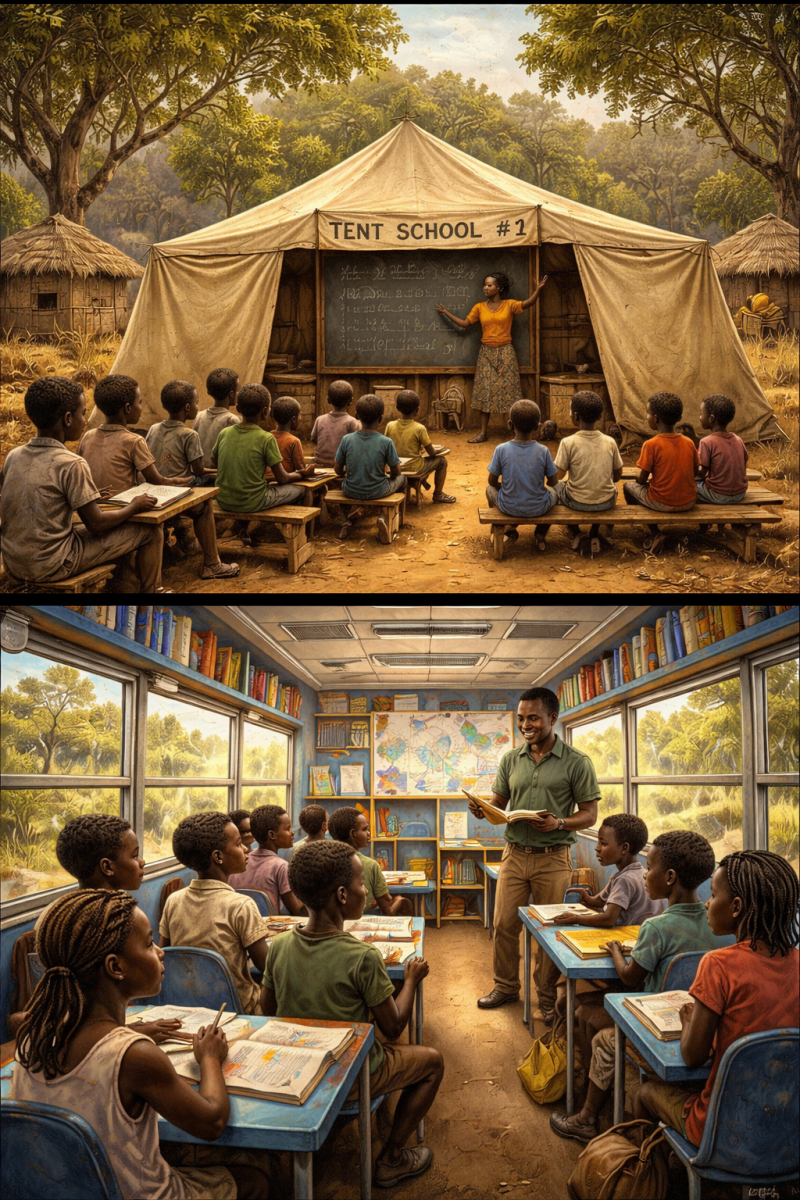
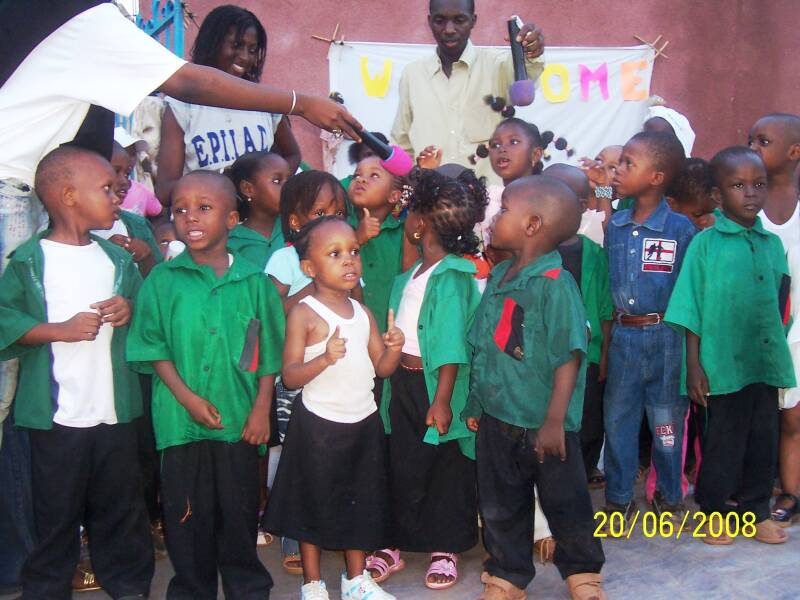
Verified Nonprofit Global Hand Incorporated /Gateway 26, a 501(c)(3) Organization working since the early 2000s, in Africa. Members of Global Hand—teachers, social workers, and business specialists—have volunteered their time organizing shipments of books and supplies, training teachers, and helping establish schools across Africa. In many cases these efforts were still undertaken by self funding and a few family foundations.
Our founders were deeply influenced by the experiences of one member who worked as a refugee resettlement specialist Through years of service in refugee camps, she heard thousands of stories from families displaced by conflicts linked to control of natural resources and causing systemic poverty and even civil distress.
These experiences strengthened Global Hand’s commitment to education as a pathway toward stability, dignity, and opportunity for impoverished and poor communities in Africa.
Living Campus Concept –
CONCEPT OVERVIEW
The Living Campus is a values-based education and livelihood ecosystem that integrates moral education, practical skills, and income-generating enterprises. It targets youth and educators, with a strong emphasis on self-reliance, confidence, ethics, innovation, and environmental stewardship.
Core components of the pilot campus include:
- Concept School: education grounded in ethics, literacy, numeracy, life skills, and innovation, vocations and STEM,
- Teacher Training: preparing educators to replicate and expand the model
- Kitchen & Social Restaurant: providing meals, training, and income
- Small Demonstration Farm: food security and agricultural training
- Sewing & Recycling Workshop: clothing production, reuse, and climate action
- Clay Brick & Shelter Initiative: low-cost housing skills and materials
To support these activities, the project also includes shipping and logistics for books, supplies, clothing, communication tools, and transportation for organizers and trainers..
Of course it is not impossible to touch every country and every community but the track record for intervention through volunteering and teaching or through collaboration has impacted 20 countries in humble ways and holistically touched thousands of youth and families,
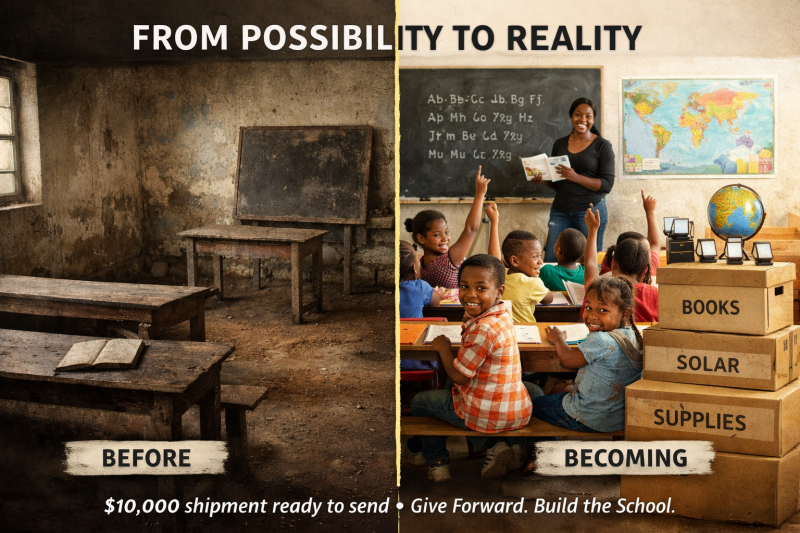
This community model brings education, food security, skills, and sustainability together in one place. Your donation turns this vision into reality.
Support sustainable lives today.

ALSO WITH PAYPAL CHARITIES. GIVE AS YOU LIKE. Your donation today helps create places where young people learn, work, and thrive at home—replacing desperation with opportunity and migration with dignity.
SCAN TO Give. Build a future that lasts,


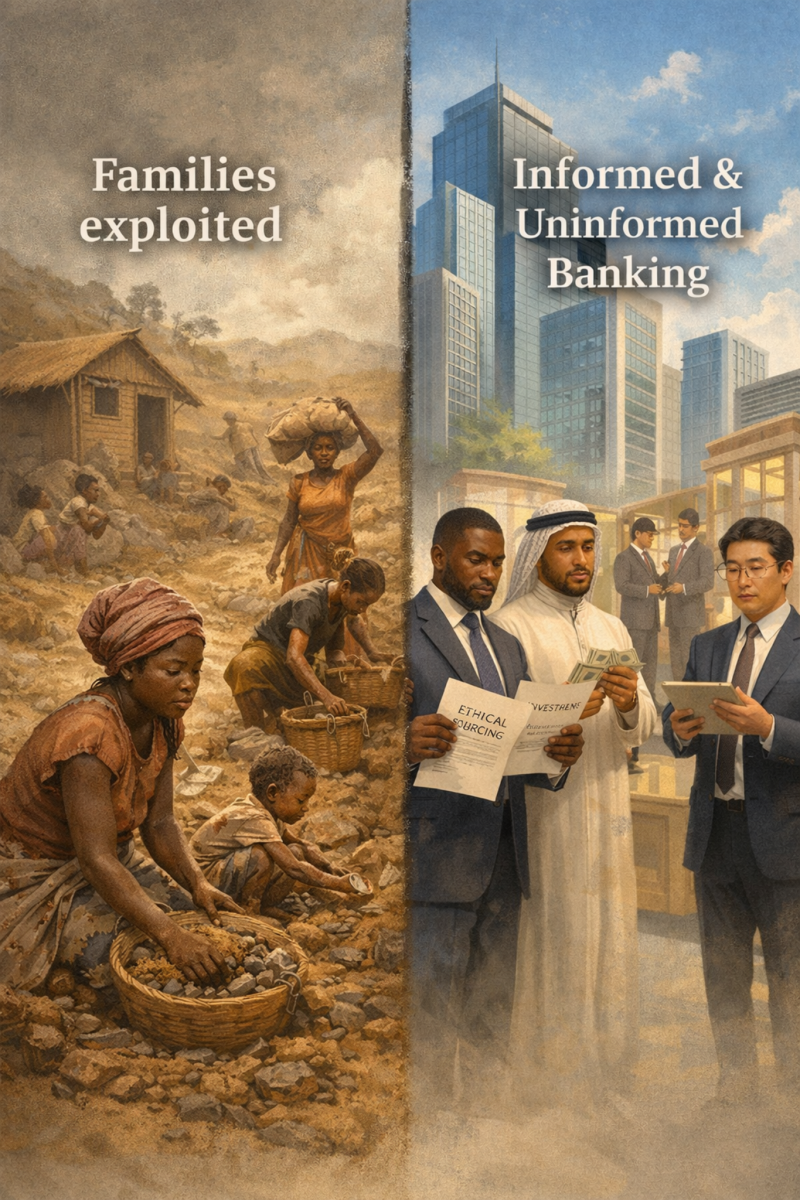
Africa and African related people have borne the long-term effects of resource exploitation and imposed systems that disrupted indigenous economies, cultures, and self-determination. This project approaches fundraising not as charity, but as a corrective investment—

The Living Campus integrates education with real-world production systems that support both learning and livelihoods.The Living Campus integrates education with real-world production systems that support both learning and livelihoods.It is designed to move beyond aid dependency by combining skills training, ethics, innovation, and income generation.